Silica Rich Foods For Stronger Hair, Skin, And Bones
When you buy through links on our site, we may earn an affiliate commission at no additional cost to you (learn more)
Silica plays a quiet but important role in helping the body stay strong and healthy. Many people overlook it, yet it supports bones, skin, hair, and nails. Silica-rich foods provide an easy way to promote overall well-being through everyday meals.
Anyone can add silica to their diet without making big changes. Foods like oats, bananas, leafy greens, and whole grains are simple to find and fit into most eating habits. This guide highlights which foods are richest in silica and how they can benefit the body.
Best Silica Rich Foods
Silica occurs naturally in many plant-based foods that people eat each day. It supports healthy skin, hair, bones, and connective tissue while also helping the body use calcium more effectively.
Whole Grains and Cereals
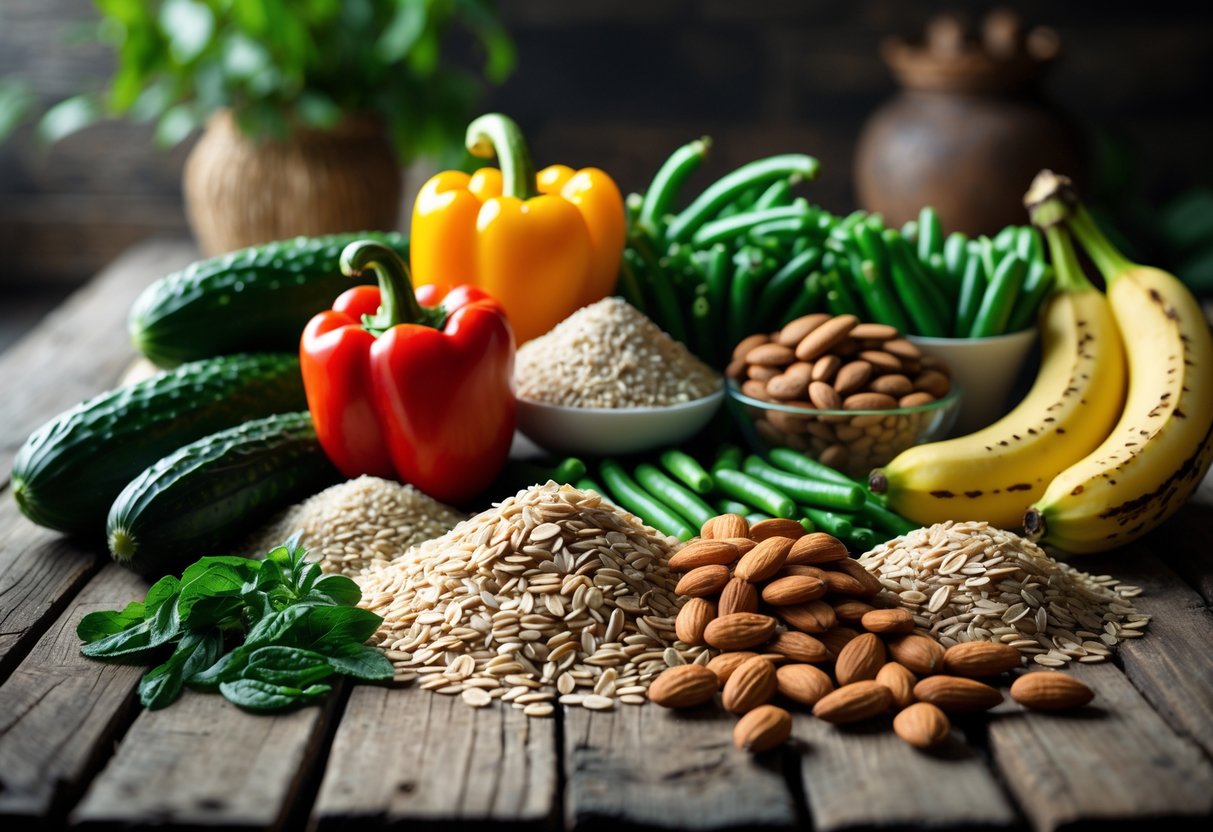
Whole grains offer one of the richest sources of dietary silica. Oats, barley, brown rice, millet, and whole wheat contain measurable amounts of this mineral. When grains remain unrefined, their outer layer—the bran—retains much of the silica, along with fiber and nutrients.
Cooking methods can change silica content slightly, but meals made with minimally processed grains still provide useful amounts. A warm bowl of oatmeal or a serving of cooked millet can easily fit into most diets.
People who choose cereals should look for whole-grain labels rather than refined products. Including two to three servings of whole grains each day can help supply a steady intake of plant-based silica without the need for supplements.
Fresh Fruits High in Silica
Some fruits naturally contain silica, especially those with edible skins. Bananas, apples, cherries, and dates supply small yet helpful amounts. Bananas are an easy source since they are inexpensive and available year-round. Apples, eaten with their peels, provide fiber and silica together.
Other fruits like grapes, oranges, and mangos contribute trace amounts and also add vitamin C, which helps the body use silica effectively.
Eating a mix of these fruits supports a balanced intake of antioxidants, natural sugars, and minerals. Fresh fruit snacks, smoothies, or fruit salads make simple ways to include silica while keeping meals light and refreshing.
Vegetables with Abundant Silica
Vegetables often contain more silica than fruits, especially leafy greens, bell peppers, green beans, cucumbers, and asparagus. The mineral sits mostly in the outer skin and soft tissues. Keeping skins on cucumbers and beans when possible helps preserve this content.
Root vegetables such as carrots and beets also provide trace amounts. Steaming or lightly sautéing them keeps their texture and nutrients better than boiling.
A mix of raw and cooked vegetables each day can support steady silica intake along with fiber and vitamins. Simple meals like stir-fries, salads, or roasted vegetables supply nutrition without being complicated or expensive.
Nuts and Seeds
Many nuts and seeds deliver moderate levels of silica plus healthy fats and protein. Sunflower seeds, flaxseeds, and almonds stand out among common choices. Almonds support bone strength due to their minerals, while seeds offer plant oils that help the body absorb fat-soluble nutrients.
People can sprinkle seeds on yogurt or oatmeal or enjoy a small handful of mixed nuts as a snack. Regular intake of these foods provides a blend of beneficial compounds, including silica, magnesium, and vitamin E.
Keeping portions moderate ensures balanced nutrition while adding a reliable plant source of natural silica to daily meals.
Benefits and Incorporation of Silica in the Diet
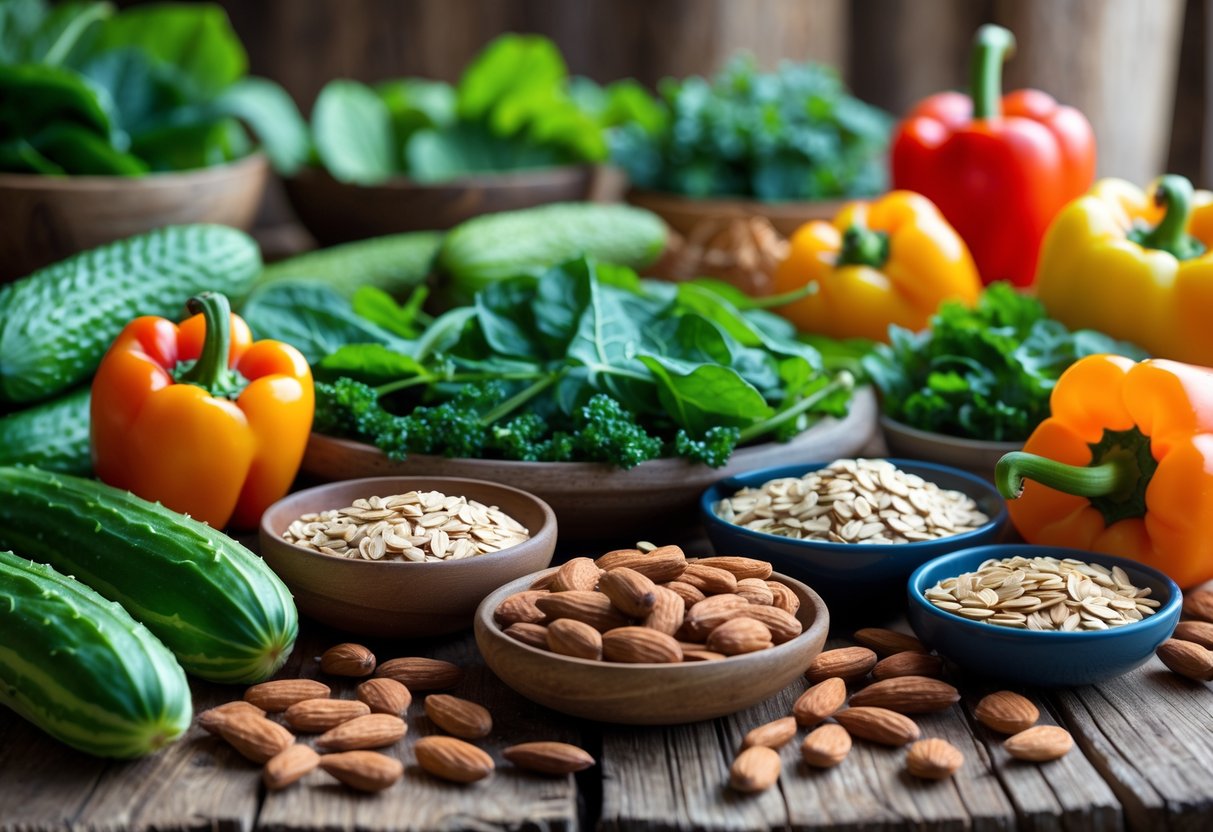
Silica supports bone strength, skin elasticity, and healthy hair. It also aids the body’s natural repair process and helps minerals like calcium work more effectively.
Health Benefits of Silica Rich Foods
Silica plays an important role in keeping bones strong and flexible. It helps the body use calcium and magnesium more efficiently, which supports bone density as people age. Silica also contributes to the production of collagen, a protein found in skin, hair, and nails.
Foods high in silica may help skin stay firm and hydrated. They can also promote stronger, shinier hair and prevent brittle nails. Though silica is not a cure for any condition, steady intake through diet supports the body’s normal repair and growth functions.
Including silica in daily meals may also benefit joints. Silica supports cartilage formation, allowing smoother movement and better flexibility.
How to Add Silica Rich Foods to Your Meals
Silica occurs naturally in plant foods. Oats, brown rice, whole wheat, green beans, and bananas are simple examples. Leafy greens such as spinach and kale also provide small but meaningful amounts. Root vegetables like beets and carrots add variety while providing additional minerals.
A few easy ways to include silica-rich foods include:
- Starting the day with oatmeal topped with fruit.
- Adding cooked brown rice as a side dish.
- Mixing steamed green beans or asparagus into salads.
- Using whole grain pasta or bread instead of refined options.
Drinking water that contains natural silica, such as some spring waters, can also boost intake. It’s best to combine several sources to maintain steady levels. Cooking methods such as steaming or light sautéing help preserve minerals better than boiling.
Tips for Maximizing Silica Absorption
Silica absorption depends on stomach health and the presence of other nutrients. Vitamin C improves absorption because it helps the body form collagen more effectively. Eating citrus fruits, berries, or bell peppers alongside silica-rich foods can increase benefits.
Limiting processed foods and excessive caffeine can also help, as these may hinder mineral use in the body. Small, consistent servings of whole foods tend to work better than occasional large amounts.
Staying hydrated supports silica movement through the body and ensures better nutrient balance overall.