

Juicing Recipes For Beginners: Simple and Delicious Blends to Start Your Healthy Journey
When you buy through links on our site, we may earn an affiliate commission at no additional cost to you (learn more)
Juicing is a quick way to get more fruits and vegetables into your diet. If you’re new to juicing, you might feel unsure about which ingredients to use or how to get started. The good news is that you don’t need fancy equipment or complicated recipes to make delicious, healthy juices at home.
You can create tasty juices with common fruits and vegetables from your local grocery store. Most beginner recipes take less than 10 minutes to make from start to finish.
This guide will walk you through the basics of juicing and share easy recipes you can try right away. You’ll learn what equipment you need, how to prepare your ingredients, and which flavor combinations work well together.
Getting Started With Juicing
You need the right tools, fresh produce, and proper prep techniques to make delicious juices at home. These basics will help you create healthy drinks without wasting time or money.
Essential Juicing Equipment
The most important piece of equipment is your juicer. You can choose between a centrifugal juicer or a masticating juicer. Centrifugal juicers work faster and cost less, usually between $50 and $150. Masticating juicers run slower but extract more juice and preserve more nutrients.
You also need a few basic kitchen items. A sharp knife and cutting board help you prep your produce. Glass jars or bottles with tight lids store your juice in the fridge for up to 24 hours.
A vegetable brush cleans dirt off produce without removing the nutrient-rich skin. You should also keep a small strainer nearby if you prefer pulp-free juice. Most juicers come with a cleaning brush, which makes washing the machine much easier.
Choosing the Right Fruits and Vegetables
Start with mild, sweet produce like apples, carrots, and cucumbers. These ingredients juice easily and taste good on their own or mixed together. Apples add natural sweetness to any recipe without needing extra sugar.
Leafy greens like spinach and kale pack lots of nutrients but taste strong. Mix them with sweeter fruits until you get used to the flavor. Citrus fruits like oranges and lemons add a bright, fresh taste to your juices.
Buy organic produce when possible, especially for the “Dirty Dozen” items that contain more pesticides. Always pick fresh, ripe produce for the best flavor and juice yield. Avoid fruits and vegetables with soft spots, bruises, or brown areas.
Tips for Preparing Ingredients

Wash all your produce under cool running water before juicing. You can leave the skin on most fruits and vegetables since it contains valuable nutrients and fiber.
Cut your produce into pieces that fit easily into your juicer’s feed chute. Most items need to be cut into 1-2 inch chunks. Remove hard pits from fruits like peaches and plums, as these can damage your juicer.
You should peel citrus fruits, but keep the white pith, which contains helpful nutrients. Remove tough stems from leafy greens, but juice the leaves and tender stems together. Alternate between soft and hard ingredients to help your juicer work more efficiently and extract more juice.
Simple Juicing Recipes For Beginners
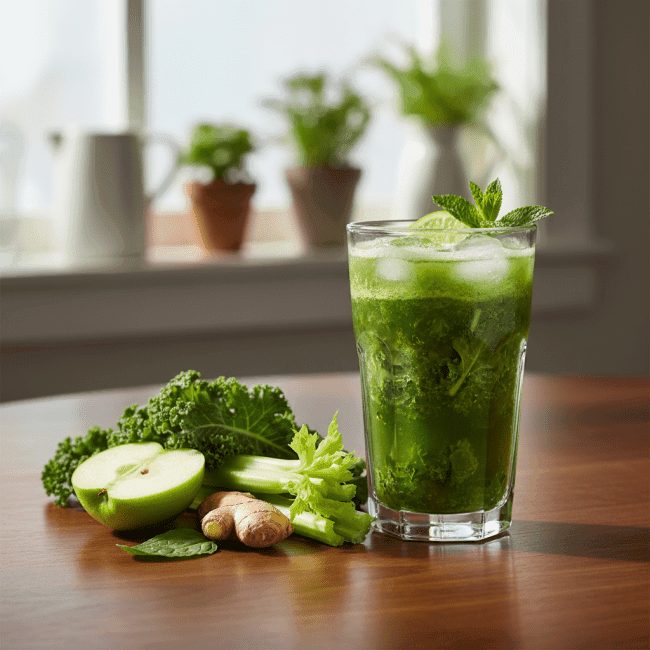
These four recipes use common fruits and vegetables that are easy to find at any grocery store. Each one takes just a few minutes to prepare and tastes great even if you’ve never made juice before.
Classic Green Juice
This green juice is a perfect starting point for beginners. You’ll need 2 cups of fresh spinach, 1 green apple (cored and chopped), 1 cucumber (peeled), half a lemon (peeled), and a small piece of ginger.
The spinach gives you vitamins and minerals without tasting too strong. The apple adds natural sweetness that balances out the green flavor.
Cucumber makes the juice refreshing and helps thin it out so it’s easier to drink. The lemon adds a bright, citrus taste while the ginger gives a slight kick.
Just feed all the ingredients through your juicer in any order. If the juice seems too thick, you can add a splash of water. Drink it right away to get the most nutrients.
Refreshing Citrus Blend
Citrus juices are naturally sweet and packed with vitamin C. For this recipe, you need 2 large oranges (peeled), 1 grapefruit (peeled), 1 lemon (peeled), and an optional teaspoon of honey.
Peel all your citrus fruits completely before juicing them. The white part under the peel tastes bitter and can make your juice unpleasant.
Cut the fruits into smaller pieces that fit easily into your juicer. Process the oranges first, then the grapefruit, and finish with the lemon.
Stir in the honey if you want extra sweetness. This juice works great as a morning drink because it gives you quick energy and tastes bright and fresh.
Carrot and Apple Combo
This combination is one of the most popular juices for beginners. You’ll need 4 large carrots (washed and trimmed), 2 medium apples (cored), and half a lemon (peeled).
Carrots create a sweet, earthy juice rich in beta-carotene. The apples add extra sweetness and make the flavor more familiar if you’re new to vegetable juices.
You don’t need to peel your carrots or apples if they’re organic. Just wash them well and cut them into pieces that fit your juicer.
The lemon brightens the flavor and helps keep the juice from browning too quickly. This recipe makes about 16 ounces of juice and stores well in the fridge for up to 24 hours.
Tropical Medley
This tropical juice tastes like a vacation in a glass. Gather 1 cup of fresh pineapple chunks, 1 ripe mango (peeled and pitted), 1 orange (peeled), and half a lime (peeled).
Pineapple and mango both contain natural enzymes that help with digestion. They’re also incredibly sweet, so you won’t need to add any sugar or honey.
Cut your pineapple and mango into chunks before juicing. Remove any hard parts or seeds that could damage your juicer.
Add the orange and lime last to blend all the flavors together. This juice is thicker than most because of the mango.


