Horsetail Oil for Hair Benefits: Improve Growth Naturally
When you buy through links on our site, we may earn an affiliate commission at no additional cost to you (learn more)
Are you noticing thinner hair or dull, lifeless strands? Many mainstream products promise quick results but include long ingredient lists you cannot pronounce. Horsetail oil, derived from an ancient plant, is a simple, plant-based option that people use to support hair strength and shine.
What is Horsetail?
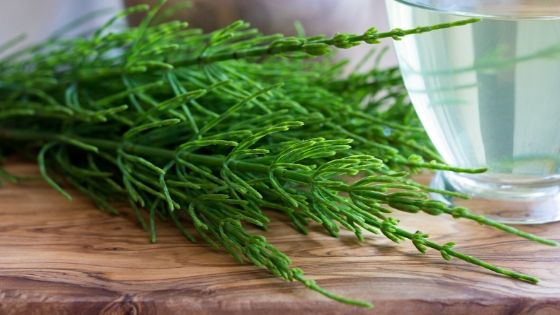
Horsetail (genus Equisetum) is a fern-like plant found around the world, often near lakes and rivers. Today there are nearly two dozen species in the wild, and extracts from the plant are used in supplements and cosmetics.
Horsetail contains several minerals and plant compounds, most notably silica, plus flavonoids, saponins, magnesium, and potassium. Silica is a form of silicon that helps strengthen connective tissues such as hair, skin, and nails. These nutrients are why horsetail has a long history of traditional use.
Why People Use Horsetail for Hair
Horsetail is used for hair because of its silica content and other trace minerals. Silica is linked to hair strength and may help reduce breakage. Studies suggest that supplements containing plant-based silicon can improve hair appearance in people who feel their hair is thinning.
Beyond silica, horsetail also contains antioxidants. Antioxidants help protect hair follicles from oxidative stress, which is one factor involved in hair aging and damage.
What the Research Says
A small 2012 study found that a supplement containing horsetail-derived silica improved parameters of hair quality in people who perceived hair thinning. This suggests a potential benefit when silica is delivered systemically as a supplement.
Lab and observational research indicates higher silicon levels in hair are associated with less shedding. However, high-quality, large clinical trials specifically on horsetail oil applied to the scalp are limited. Current evidence supports possible benefit but is not definitive.
How to Use Horsetail for Hair
Horsetail can be used in several ways depending on the product you choose. Each method has pros and cons.
- Oral supplement: A convenient way to increase silica systemically. Follow the product label for dose and speak with your clinician before starting.
- Herbal tea: Brew a strong infusion and use it as a final rinse after shampooing to add shine.
- Topical oil or extract: Horsetail extracts are included in hair oils and serums. Applied to the scalp, they can condition hair and may reduce frizz.
- Combined formulas: Many hair products mix horsetail with other ingredients such as burdock, rosemary, or carrier oils for extra conditioning and circulation benefits.
Practical tips for topical use:
- Patch test a small skin area before widespread use to check for irritation.
- When using as a rinse: steep 1–2 tablespoons of dried horsetail per cup of boiling water, let cool, strain, and run through damp hair after shampooing.
- For oil treatments: mix horsetail extract or a horsetail-containing product with a carrier oil (like jojoba or coconut) and massage into the scalp for 5–15 minutes before rinsing.
A Word of Precaution
Horsetail contains compounds that can interfere with thiamine (vitamin B1). Long-term or excessive oral use may lead to thiamine depletion in susceptible people. For this reason, avoid prolonged high-dose use without medical supervision.
Do not use horsetail if you have a known thiamine deficiency or a history of alcohol use disorder, since these conditions already increase thiamine risk. Also avoid if you have low potassium (hypokalemia) or are pregnant or breastfeeding unless directed by your clinician.
Horsetail can interact with some medications and other supplements. Always tell your healthcare provider about any new herbs or supplements before starting them.
Safety Checklist
- Perform a patch test before topical use.
- Start with the lowest effective dose if taking supplements.
- Limit long-term high-dose oral use without monitoring thiamine status.
- Stop use and consult a clinician if you experience numbness, weakness, or signs of deficiency.
Choosing Products
Look for products that list horsetail (Equisetum arvense) extract or powder in the ingredients. If buying capsules, check the amount of silica per serving when available. Prefer reputable brands that provide clear dosing instructions and third-party testing when possible.
Many ready-made blends include horsetail with other hair-friendly botanicals and carrier oils. These can simplify use and reduce the need for DIY mixing.
Bottom Line
Horsetail is a plant-based source of silica and other minerals that are associated with improved hair strength and shine in some studies. Evidence for topical horsetail oil is limited but promising for hair conditioning effects.
If you try horsetail, use it thoughtfully: patch test topical products, follow label doses for supplements, and consult your healthcare provider if you have health conditions or take medications. With sensible use, horsetail can be a low-risk addition to a hair care routine aimed at strengthening and brightening hair.
Our Favorite Horsetail Supplement
- Contains Burdock Oil: nourishes hair and may support scalp health
- Contains Horsetail Extract: a traditional ingredient used for thinning or dandruff-prone hair
- Easy to Use: apply to scalp, leave briefly, then wash out per package directions
Sources
https://www.ncbi.nlm.nih.gov/pmc/articles/PMC3509882/
https://www.ncbi.nlm.nih.gov/pmc/articles/PMC4938278/
https://sites.berry.edu/cborer/inventory/horsetail/
https://www.webmd.com/vitamins/ai/ingredientmono-843/horsetail