Foods High In Lysine: Delicious Options To Boost Your Nutrition
When you buy through links on our site, we may earn an affiliate commission at no additional cost to you (learn more)
Lysine is an essential amino acid that supports muscle repair, immune function, and overall health. The body cannot make it, so it must come from food. Foods high in lysine help maintain strong muscles and healthy skin while supporting natural growth and recovery.
Many people do not realize how easy it is to include more lysine-rich foods in their diet. Simple choices like lean meats, fish, dairy products, and certain legumes can make a big difference. Each food adds valuable protein and nutrients that help meet daily needs.
Best Foods High In Lysine
Lysine is found in many protein-rich foods that support muscle function and tissue repair. Both animal and plant sources can provide enough lysine when eaten in balanced amounts.
Animal-Based Sources Rich In Lysine
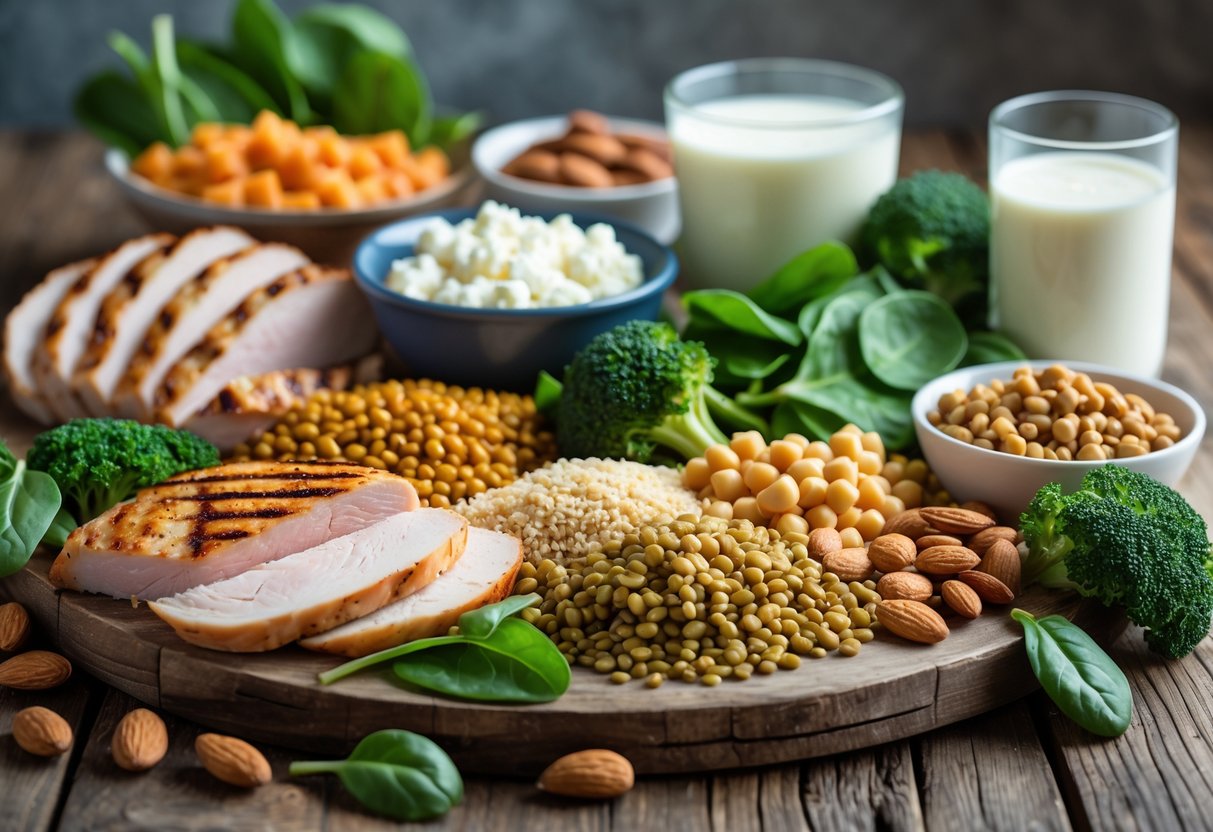
Animal products have the most complete lysine content. Lean meats like chicken breast, turkey, and pork contain about 2–3 grams of lysine per 100 grams. Beef and lamb also supply high amounts and are easy to include in daily meals.
Fish such as salmon, cod, and tuna give a strong lysine boost along with healthy fats. Eggs contribute smaller amounts but complement other sources well, while dairy products like milk, cheese, and yogurt provide lysine and calcium together.
For easier reference:
| Food Type | Approx. Lysine (g per 100g) | Example Servings |
|---|---|---|
| Chicken breast | 2.9 | 1 cooked breast |
| Salmon | 2.2 | 1 fillet |
| Cheddar cheese | 2.7 | 2 slices |
Cooking methods like grilling and baking help preserve amino acids better than overfrying. Choosing a mix of these foods helps maintain a steady lysine intake throughout the day.
Plant-Based Foods With High Lysine Content
Plant sources vary more in their lysine levels, but combining certain foods can meet daily needs. Legumes stand out the most, especially lentils, chickpeas, and kidney beans. A cup of cooked lentils provides nearly 1.3 grams of lysine.
Soy products such as tofu, tempeh, and edamame offer even higher levels, making them key for vegetarians. Quinoa, pumpkin seeds, and pistachios also supply notable lysine with added vitamins and minerals.
Those following plant-based diets may benefit from pairing grains low in lysine, like rice or oats, with beans or lentils. This simple balance improves overall amino acid quality.
| Plant Food | Approx. Lysine (g per 100g) | Notes |
|---|---|---|
| Tofu | 2.3 | Firm tofu has higher content |
| Lentils | 1.3 | Best boiled or stewed |
| Pumpkin seeds | 1.2 | Easy snack or salad topping |
Lysine-Rich Snack and Meal Ideas
Adding lysine to everyday meals can be simple. For breakfast, they can eat Greek yogurt with nuts or a smoothie made with milk and soy protein. Both options combine lysine-rich ingredients that keep energy steady.
Lunch ideas include grilled chicken wraps, lentil soups, or quinoa bowls topped with tofu or shrimp. Dinner could feature roasted salmon, stir-fried tempeh, or beef with beans and vegetables.
For quick snacks, cheese cubes, pumpkin seeds, or boiled edamame fit easily into a busy schedule. Preparing a few of these options in advance helps them stay consistent with lysine intake while keeping meals varied and satisfying.
How To Increase Lysine In Your Diet
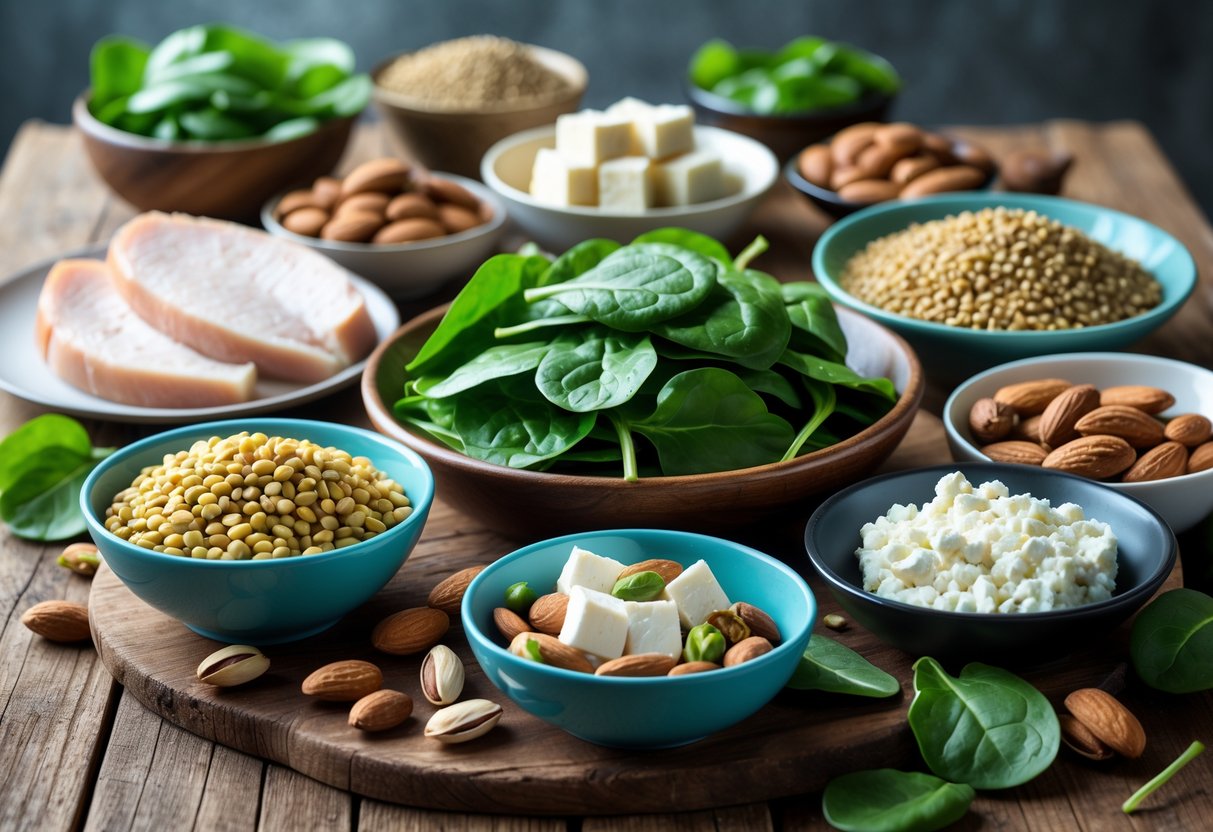
People can raise their lysine intake by eating more animal proteins, plant-based sources, and fortified products. They can also improve absorption and balance by pairing lysine-rich foods with other nutrients that support protein use in the body.
Simple Ways To Add Lysine-Rich Foods
Animal products are among the best sources of lysine. Lean meats, fish, eggs, and dairy products like cheese and yogurt naturally contain high amounts. Someone who eats oatmeal or cereal in the morning can add milk or yogurt for an easy boost.
For those who avoid animal foods, several plant sources still offer lysine. Lentils, chickpeas, quinoa, and soy products such as tofu supply good amounts for vegetarians and vegans. Combining these with whole grains or nuts can round out amino acid intake.
Here’s a short reference list:
| Food | Serving | Approx. Lysine (mg) |
|---|---|---|
| Chicken breast | 3 oz | 2,000 |
| Lentils (cooked) | 1 cup | 1,200 |
| Yogurt | 1 cup | 700 |
| Tofu | ½ cup | 600 |
People can also try recipes like soups with beans or stir-fries with tofu to make regular meals both balanced and satisfying.
Balancing Lysine With Other Nutrients
Lysine works best in harmony with other amino acids and nutrients. Eating enough protein helps the body make full use of lysine. Combining lysine-rich foods with sources of vitamin C, iron, and zinc aids tissue repair and supports immune health.
Those who eat more grains should remember that grains are lower in lysine but higher in another amino acid, arginine. Mixing grains with beans or dairy helps even out the amino acid profile.
Hydration also matters. Drinking enough water supports muscle repair and nutrient transport. Small, steady changes across meals—like adding yogurt instead of cream or pairing rice with lentils—can gradually raise lysine levels in a balanced, healthy way.