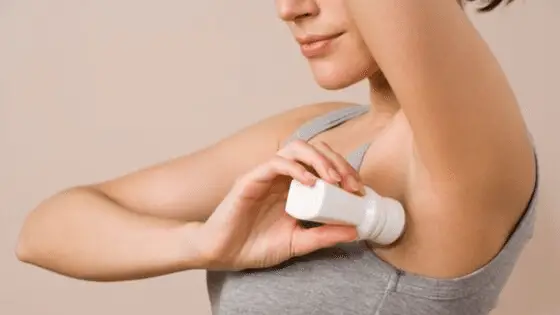
Magnesium Oil as Deodorant- No More Stink!

When you buy through links on our site, we may earn an affiliate commission at no additional cost to you (learn more)
As we have learned more about the possible side effects of ingredients used in commercial deodorants, many people are turning to natural alternatives to reduce underarm odor. Natural options can be gentler on the skin and may avoid compounds some people prefer to minimize exposure to.
This article explains why magnesium oil is used as a deodorant, how to make and use it, what science suggests about how it works, and important safety points to consider. It also gives practical troubleshooting tips so you can decide if this option is right for you.
What’s the problem with traditional deodorant?
Many conventional antiperspirants contain aluminum-based compounds that temporarily block sweat ducts to reduce perspiration. Some studies have raised questions about aluminum accumulation in the body, but evidence connecting typical antiperspirant use to diseases is limited and mixed. People choose alternatives for a variety of reasons including skin sensitivity and personal preference.
Other common ingredients in commercial products include parabens and fragrance chemicals. Parabens can act like weak estrogens in laboratory studies, and some people prefer to limit their exposure because of concerns about hormone disruption. Fragrances are a frequent cause of skin irritation and allergic reactions.
Beyond ingredients, antiperspirants change a natural process. Sweat helps regulate temperature and remove some waste products. Using a product that focuses on reducing odor rather than blocking sweat is one way to support natural skin function while managing smell.
The link between magnesium and body odor
Body odor results when bacteria on the skin break down sweat and produce odor-causing compounds. Magnesium does not kill all bacteria, but it can change the local environment in a way that reduces odor-producing activity.
Magnesium chloride, the form found in magnesium oil, is known for properties such as improving skin barrier function and supporting cellular reactions. Studies on topical magnesium are limited compared with oral magnesium research, but some users report reduced odor when applying magnesium chloride solutions to underarms.
Oral magnesium supplements can help correct a deficiency that affects overall health. Severe magnesium deficiency is uncommon in people who eat a varied diet, but low magnesium can contribute to muscle cramps, poor sleep, and other symptoms. Addressing systemic deficiency may also support skin and sweat gland function over time.
Using magnesium oil as deodorant
Magnesium oil is actually a concentrated magnesium chloride solution that feels slightly oily on the skin. It can be used as a simple, low-ingredient deodorant alternative.
Basic magnesium oil deodorant recipe
-
Bring one cup of distilled water to a boil in a clean saucepan
-
Place one cup of magnesium chloride flakes in a glass bowl
-
Slowly pour the boiling water over the flakes, stirring until fully dissolved
-
Let the mixture cool completely
-
Transfer the liquid to a clean spray bottle for easy application
How to apply
- Spray 1 to 2 pumps onto clean, dry armpits after showering
- Allow to air dry before dressing
- If you prefer, apply with a cotton pad instead of a spray
What to expect
When you start using magnesium oil, mild tingling or a warming sensation is common, especially if your skin is sensitive or you are low in magnesium. This typically fades with regular use as the skin adapts.
Some people notice reduced odor within days, while for others it may take a few weeks. If you are switching from a conventional antiperspirant, expect a transition period while your sweat glands and skin microbiome rebalance.
Safety precautions and troubleshooting
Topical magnesium chloride is generally considered safe for most people, but follow these precautions to reduce risk of irritation.
- Avoid applying magnesium oil to broken, inflamed, or recently shaved skin. Freshly shaved skin can be more prone to stinging.
- If you experience persistent burning, redness, or a rash, stop use and rinse the area with water. Seek medical advice if symptoms are severe or do not resolve.
- To reduce initial stinging, dilute the magnesium oil with extra distilled water (for example, start with a 1:2 ratio of flakes to water instead of 1:1) or apply after a moisturizer or aloe vera gel.
- If you are pregnant, breastfeeding, or have significant kidney disease, check with your healthcare provider before using topical magnesium regularly. People with impaired kidney function can accumulate magnesium from oral supplements more easily; topical absorption is lower but still worth discussing with a clinician.
Storage tip: Keep your prepared solution in a cool, dark place. Discard and remake the mixture if it becomes cloudy, smells off, or shows signs of contamination.
Practical tips and comparisons
If you mostly sweat but do not have strong odor, magnesium oil may be sufficient on its own. For strong or persistent odors, consider combining approaches.
- Use magnesium oil after showering and maintain regular washing of the armpit area with a gentle soap to remove excess oils and bacteria
- Try topical probiotics or low-to-no fragrance natural deodorants that contain baking soda alternatives if you react to bicarbonate-based products
- Address diet and hygiene factors. Foods with strong odors, alcohol, and poor blood sugar control can influence body smell. Regular laundry and breathable clothing fabrics also help
Compared with many commercial deodorants, magnesium oil uses fewer ingredients and avoids aluminum and many synthetic fragrances. It is not an antiperspirant, so it will not significantly reduce sweating. If blocking sweat is your goal, magnesium oil will not provide that effect.
Bottom line
Magnesium oil can be a safe, low-ingredient option to reduce underarm odor for many people. Evidence is mainly anecdotal and mechanistic, and scientific studies on topical magnesium for odor are limited. Use sensible precautions, start with a diluted solution if your skin is sensitive, and consult a healthcare provider if you have significant health concerns.
This approach gives you a simple, affordable alternative to consider while keeping your routine focused on skin health and minimal ingredients.