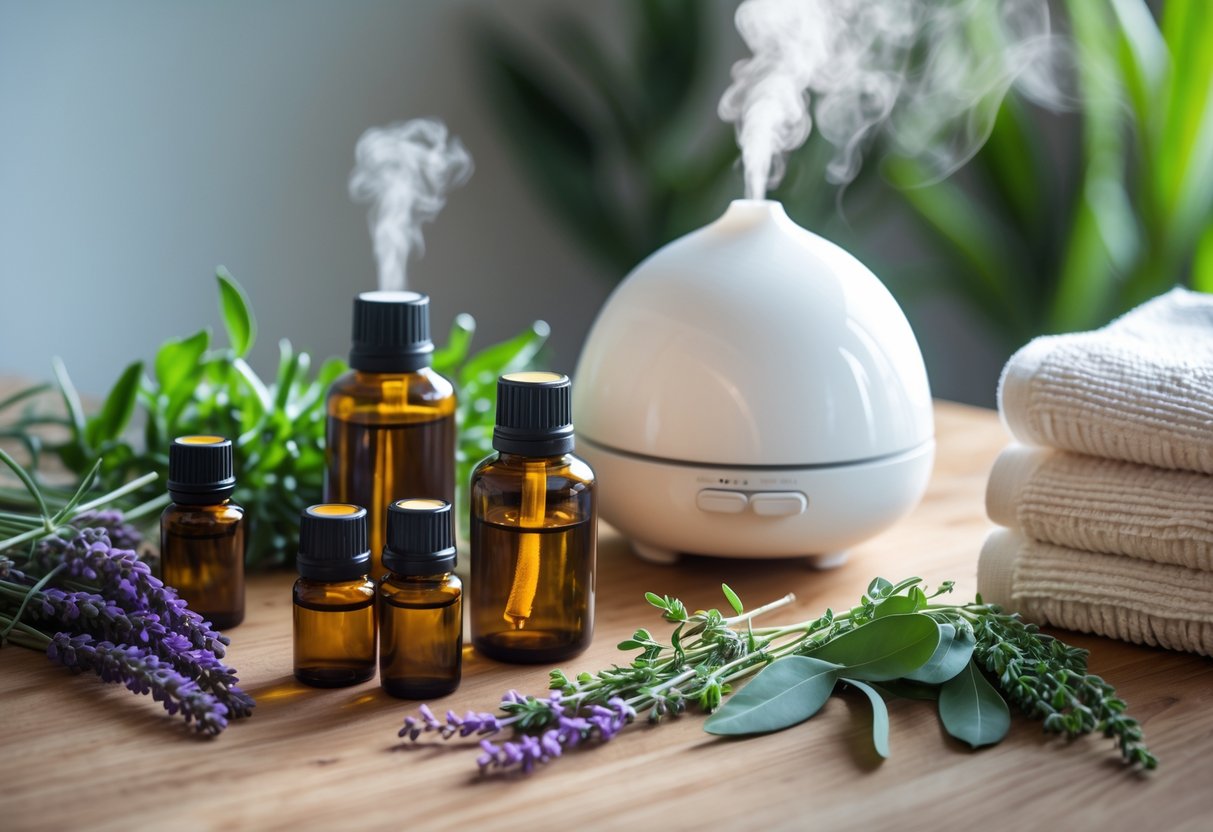
Diffusing Essential Oils Around Dogs & Cats

When you buy through links on our site, we may earn an affiliate commission at no additional cost to you (learn more)
Essential oils are becoming ever more popular in this day and age. They are used in cleaning, personal care, and to scent rooms. Many people enjoy diffusers because they make a space smell pleasant and allow inhalation of aromatic compounds that can affect mood.
Diffusing usually poses little risk to healthy adult humans. Pets, however, especially cats and some small dogs, process these plant-derived compounds differently. Their bodies are smaller and their livers and enzymes work in ways that can make certain oils more harmful to them.
Metabolic differences between humans and animals
Cats in particular have low activity of an enzyme family called glucuronyl transferases. This means they clear some compounds more slowly, so chemicals can build up to harmful levels.
Dogs also metabolize some compounds differently than humans. That is why a dose or scent that seems mild to us can be strong or toxic to them.
Common essential oils to avoid around cats and dogs
Certain oils contain phenols, phenylpropanoids, or other volatile compounds known to cause harm in pets. Avoid diffusing, applying, or leaving these oils where pets can access them:
- Thyme
- Clove
- Cinnamon
- Pennyroyal
- Wintergreen
- Sweet birch
- Pine
- Ylang ylang
- Citrus (concentrated oil)
- Peppermint
- Tea tree oil
Additional concerns by species
Cats are especially sensitive to:
- Oregano
- Lavender
- Eucalyptus
- Clove oils
Dogs may react to:
- Anise
- Juniper
- Yarrow
- Garlic oils
Practical guidelines for diffusing around pets
Follow these steps to reduce risk when using a diffuser in a home with pets.
- Only diffuse in spaces your pet can leave easily. Pets should not be trapped in the room with the diffuser.
- Start with very short sessions (5–10 minutes) and watch for any change in behavior or breathing.
- Use low concentrations: one or two drops in a large water reservoir is often too strong for sensitive animals. Consider skipping diffusion if your pet is elderly, very young, or has lung or liver disease.
- Prefer single-note, lighter oils when in shared spaces. Avoid those listed above entirely when pets are present.
- Ventilate the room after diffusing. Open windows or turn on a fan to dilute airborne compounds.
- Store all oils in a secure high cabinet. Prevent ingestion by keeping bottles sealed and out of reach.
Signs of essential oil sensitivity or poisoning
Watch your pet closely after introducing any new scent. Early signs are often behavioral or respiratory.
- Coughing, sneezing, difficulty breathing, or rapid breathing
- Excessive drooling or licking
- Vomiting, diarrhea, or loss of appetite
- Muscle tremors, unsteadiness, or weakness
- Change in behavior such as hiding, agitation, or lethargy
Immediate veterinary care is important if you suspect significant exposure. Bring the oil bottle or note the oil name to help your vet or poison control identify the toxic compounds.
What to do in an emergency
If your pet has ingested oil, do not induce vomiting unless directed by a veterinarian. Call your veterinarian or regional animal poison control for specific instructions.
Useful contacts include your regular vet, the ASPCA Animal Poison Control Center, and local emergency clinics. Keep their numbers visible for quick access.
Safe alternatives and best practices
Instead of diffusing around pets, try these safer options:
- Use diluted products in rooms pets avoid.
- Choose unscented cleaners and bedding for pet areas.
- Use a mild, pet-safe fragrance product approved by your veterinarian if needed.
Always consult your veterinarian before using a new product around a pet with known health issues.
Essential oils bring benefits for people, but responsible use is required when pets share our homes. Understanding species differences, avoiding high-risk oils, and following conservative diffusion practices help protect animals while allowing owners to enjoy aromatherapy safely.
Sources
https://www.akc.org/expert-advice/health/are-essential-oils-safe-for-dogs/
https://www.foundanimals.org/essential-oils-toxic-pets/
https://www.aspca.org/news/latest-home-trend-harmful-your-pets-what-you-need-know