MCT Oil Benefits for Skin
When you buy through links on our site, we may earn an affiliate commission at no additional cost to you (learn more)
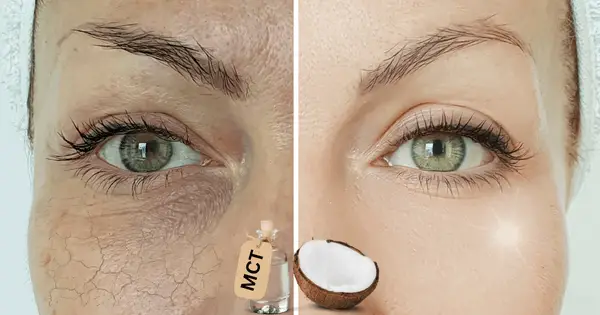
Looking for a natural way to improve skin texture, hydration, and the look of fine lines? Medium-chain triglyceride (MCT) oil, a fraction of coconut oil, is used both on skin and taken by mouth. Studies suggest it has moisturizing and antimicrobial properties, and some evidence links it to improved skin barrier function and reduced inflammation.
How MCT oil helps skin
MCT oil contains medium-chain fatty acids such as caprylic (C8) and capric (C10) acids. These are shorter fats that the body absorbs and uses more easily than long-chain fats. When applied to skin, they act as emollients, helping skin hold onto moisture and feel smoother.
Research shows that coconut-derived oils can improve dry skin and help with conditions like atopic dermatitis by supporting the skin barrier. While most studies focus on coconut oil as a whole, MCT oil shares many of the same fatty acids responsible for these effects.
Top skin benefits
- Hydration: MCT oil forms a light barrier on skin that reduces water loss. This can make skin look plumper and reduce dryness without a heavy, greasy feel.
- Soothing inflammation: Studies suggest medium-chain fatty acids can reduce inflammatory signals in the skin. That may help with redness and irritation for sensitive or dry skin types.
- Antimicrobial action: Caprylic and capric acids have mild antimicrobial properties. This can help reduce surface bacteria that contribute to breakouts and some skin infections.
- Supports skin barrier and collagen indirectly: By improving moisture and reducing irritation, MCT oil can help the overall environment the skin needs to keep collagen healthy. Directly boosting collagen requires other nutrients and processes, so MCT oil is supportive rather than a standalone fix.
How to use MCT oil safely on skin
Use a patch test before applying MCT oil widely. Put a small drop on the inside of your wrist and wait 24 hours to check for redness or itching.
- For face: Mix a drop or two into your moisturizer or use sparingly as the last step in your routine. It’s lightweight but can still clog pores for acne-prone skin, so use cautiously.
- For body: Apply a thin layer to dry patches, nails, or hair ends. It absorbs faster than many plant oils.
- Avoid the eye area and broken skin unless directed by a clinician.
Oral use and the gut–skin connection
Some people take MCT oil by mouth to support digestion, energy, and weight management. The gut and skin are linked: better gut balance can sometimes reflect as clearer, calmer skin. Small trials suggest MCTs can shift gut bacteria and reduce harmful microbes, but results vary and high doses can cause digestive upset.
If you plan to take MCT oil orally, start with a small dose (about 1 teaspoon) and increase slowly. Stop and consult a health professional if you experience persistent stomach pain, diarrhea, or other side effects.
Practical tips and formulations
- Use MCT oil as a carrier oil to dilute essential oils. For topical blends, keep essential oils under 2% concentration and follow safety guidelines for each oil.
- Combine MCT oil with humectants such as glycerin or hyaluronic acid for better hydration. The MCT oil seals in moisture while humectants draw water into the skin.
- Store MCT oil in a cool, dark place. It is more stable than many vegetable oils but still benefits from proper storage.
Who should avoid MCT oil?
People with very oily or acne-prone skin should be cautious because oils can worsen pore congestion for some individuals. Those with coconut allergy should avoid coconut-derived MCT oil. Pregnant or breastfeeding people and those with chronic medical conditions should check with a clinician before taking MCT oil orally.
What the research says
Clinical studies on coconut oil and its fractions show benefits for dry skin and certain inflammatory skin conditions. Evidence specific to purified MCT oil is smaller but points to similar moisturizing and mild antimicrobial effects. For wound healing, acne, or major skin disease, more targeted trials are still needed.
Sources used in this post include peer-reviewed literature and reputable health summaries such as the National Library of Medicine and Healthline. See the studies linked below for more detail.
Quick summary
MCT oil is a light, fast-absorbing oil with moisturizing and mild antimicrobial properties. It can be useful for dry or sensitive skin when used topically and may support skin health indirectly when taken orally through gut effects. Do a patch test, start with small amounts, and consult a clinician for persistent skin issues.
Sources: NCBI, Healthline